
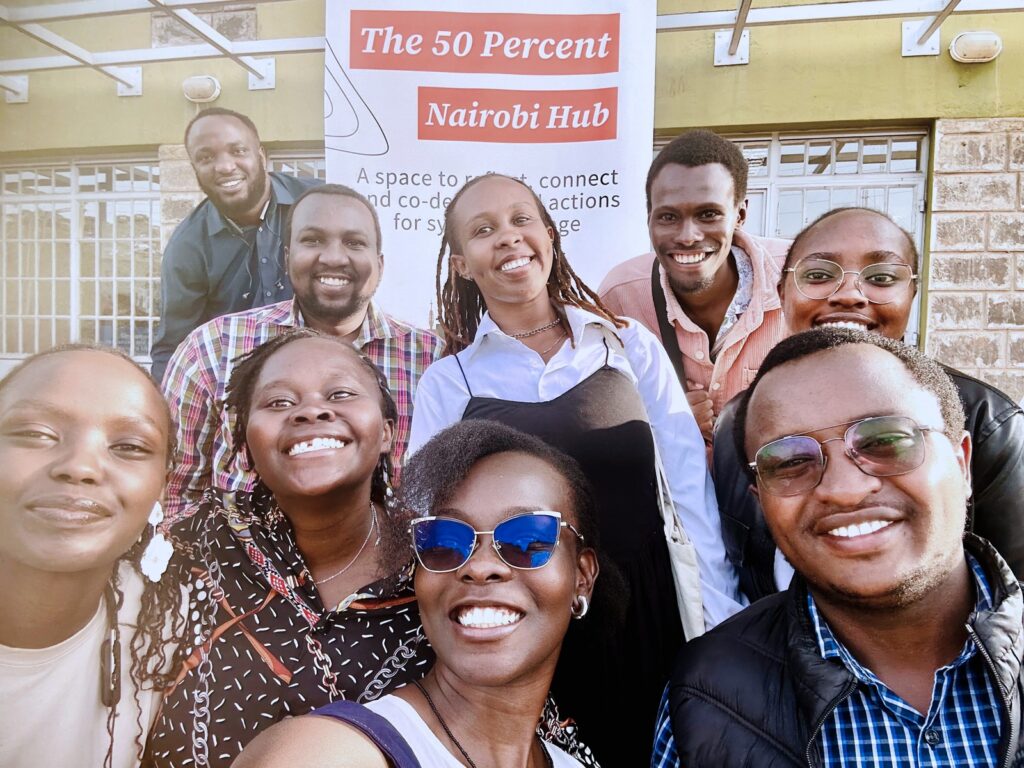
On 4 December 2025, the 50 Percent ‘Nairobi youth hub’ convened its first systems-thinking workshop, marking a deliberate step toward strengthening fellows’ analytical capacity and grounding their civic engagement in a deeper understanding of how society functions. The session was anchored in a simple but demanding premise: meaningful change is not possible without first understanding the systems within which we live — how they are formed, why they endure and where intervention genuinely matters.
Nairobi offered a fitting context for this inquiry. The city sits at the intersection of multiple, overlapping systems: formal governance structures, dense informal networks, vibrant digital cultures and an increasingly assertive youth population. These systems collide, reinforce one another and at times fail together. Rather than focusing on surface-level symptoms, the workshop challenged fellows to see these dynamics clearly and to trace outcomes back to the structures and incentives that produce them.
To ground the discussion, fellows examined table banking (a community-driven financial system sustained largely by women’s groups) as an example of a system that works. Its strength lies in shared accountability, consistent contributions and a clear understanding of the needs it serves. The example underscored a critical insight: effective and resilient systems do not always emerge from formal institutions. Many begin modestly and endure because they are rooted in lived realities and collective ownership.
Building on this, the workshop explored broader systemic patterns across Nairobi, including the functioning of public services, the ways digital innovations reshape behaviour and how structural incentives influence everyday choices. Fellows engaged in rigorous conversations about why some systems remain functional while others stagnate and what principles might be adapted to strengthen areas where Kenya continues to struggle.
Throughout the session, one thing became clear: this generation of young Kenyans is not waiting at the margins. The fellows demonstrated a sharp awareness of structural issues and an ability to connect social outcomes to deeper systemic patterns. They are attentive to gaps, but equally focused on identifying what already works and how it can be scaled or adapted. This orientation shaped the tone of the workshop. Youth were studying the mechanics of how change happens. In this sense, systems thinking emerged as a civic tool that enables young leaders to move beyond reactive activism toward strategic, intentional engagement.
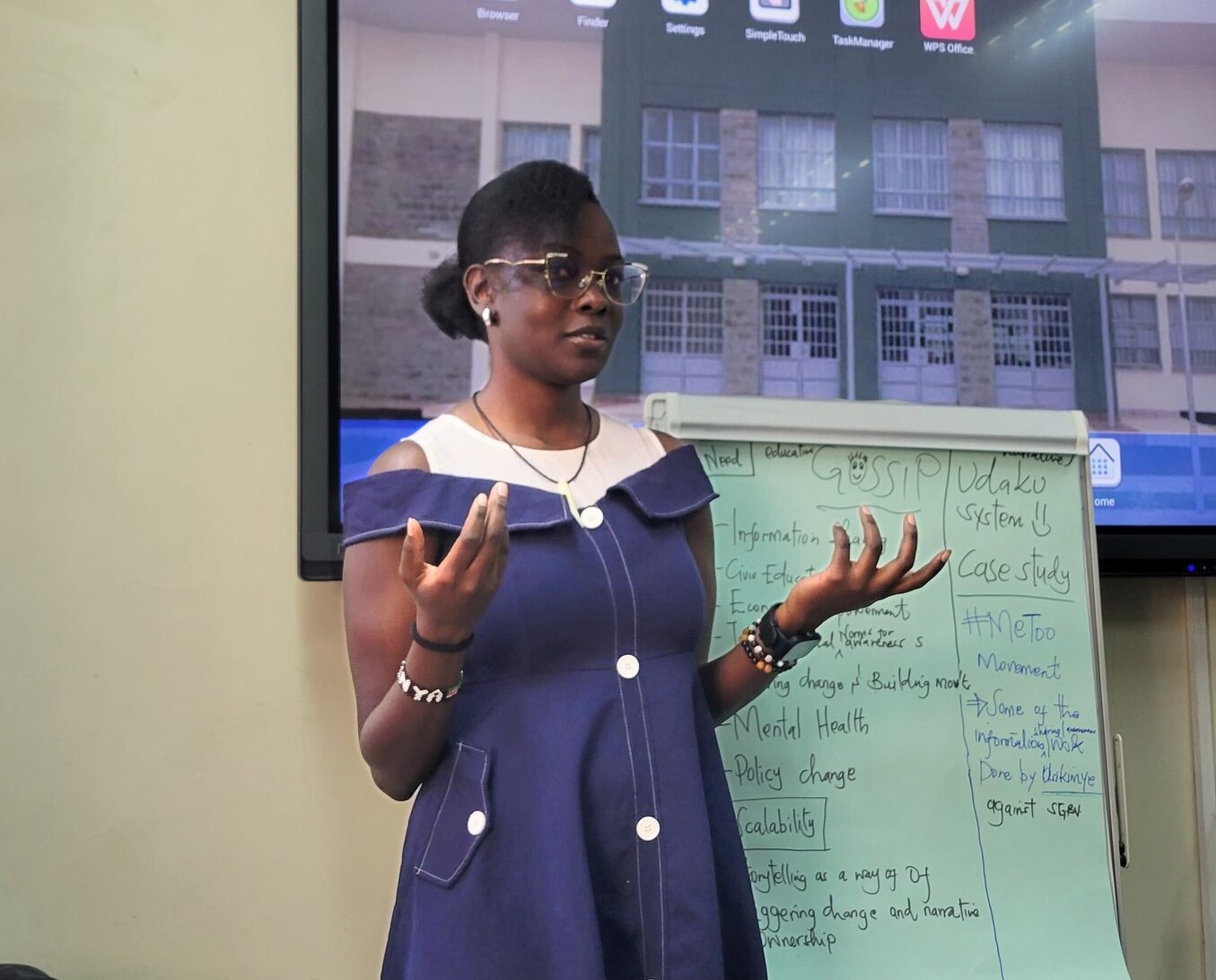
Recognising the inherent complexity of systems, the workshop was designed as an entry point into systems thinking. Facilitated discussions moved across topics or sectors creating space for fellows to sit with the complexities of systems with no urgency to fix them. Through this process, they began to see themselves as actors embedded within the very systems they seek to influence.
Several core ideas guided these conversations. First, that systems thinking offers no fixed truths; it is a practice that anyone can learn, provided they are willing to engage complexity with humanity. Second, that systems have their own forms of resilience, often persisting despite our interventions. Third, that in complex systems there are rarely clear villains; outcomes emerge from interactions, incentives and structures. Finally, systems thinking is as much an art as it is a science, requiring judgment, intuition and care alongside analysis.
Awkward as it may sound, systems have a life of their own. They move to rhythms that cannot be controlled. Working with them is about learning their tune through attention, patience and empathy. As fellows learned to listen to this rhythm, they began to see their role as systems change leaders more clearly as thoughtful participants capable of sensing, adapting and acting responsibly within living, dynamic systems.
As the Nairobi hub continues to grow, this systems lens will remain central. The ambition is to cultivate young leaders who understand complexity well enough to act intentionally within it. The workshop served as a reminder that meaningful transformation begins with seeing patterns, recognising urgency and grounding action in both insight and discipline. The fellows are not only beginning to understand the systems that shape their city; they are preparing to engage them deliberately, as active participants in the work ahead.
If you’d like to be part of this growing movement in Nairobi, don’t hesitate to contact us at nairobihub@the50percent.org.